Composite bonding is hardened with a dental light during your appointment, so it does not need days to set. In the first 24 to 48 hours, I usually advise protecting the newly finished surface from heavy staining and avoiding unnecessary pressure while you get used to the new tooth shape. The longer-term result depends much more on your bite, brushing routine, diet, smoking or vaping habits, and whether small problems are dealt with early.
You can normally eat once any local anaesthetic has worn off. I would start with sensible food choices, brush gently but thoroughly, clean between your teeth daily, and contact your dentist if the bite feels wrong, an edge is sharp, or anything chips or becomes loose.
What should I do in the first 48 hours after composite bonding?
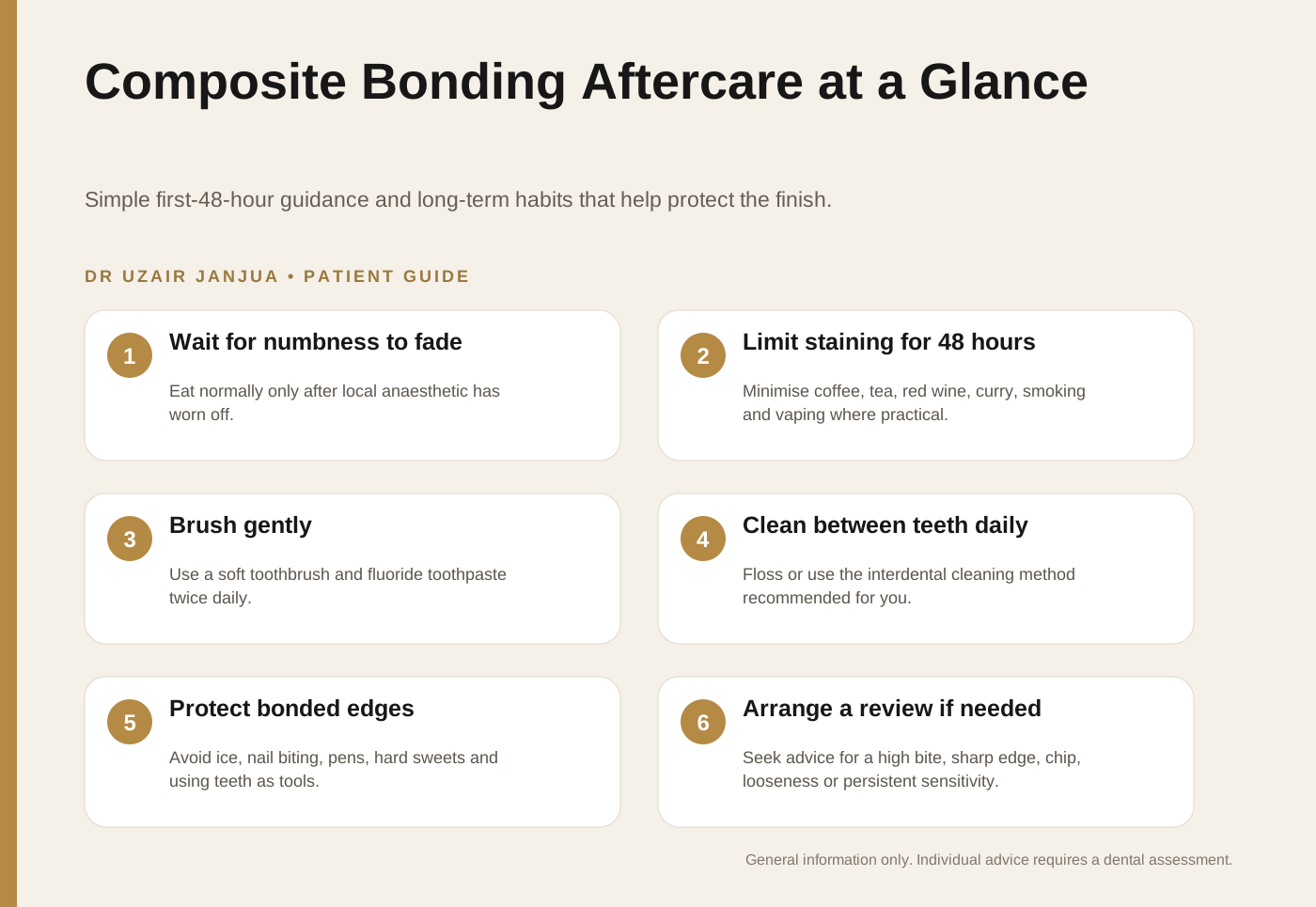
For the first day or two, I would keep things simple: avoid strongly coloured food and drinks where practical, do not bite hard objects with bonded teeth, and wait until numbness has fully worn off before chewing normally. This is not because the composite is still soft, but because it gives you time to adapt and reduces the chance of early surface staining.
| Helpful during the first 48 hours | Best to avoid or minimise |
|---|---|
| Drink plenty of water and rinse after meals | Coffee, tea, red wine, cola and strongly coloured drinks |
| Choose softer foods and cut firmer foods into smaller pieces | Biting directly into hard crusts, apples or tough foods with newly bonded front teeth |
| Brush twice daily with fluoride toothpaste | Highly abrasive whitening toothpastes, abrasive powders and hard scrubbing |
| Clean between teeth carefully as normal | Using teeth to open packaging, bite nails, chew pens or crunch ice |
| Wait for numbness to disappear before eating | Smoking or vaping, particularly if you are trying to limit early staining |
One drink does not automatically damage or visibly stain composite bonding, but repeated exposure to staining drinks can affect its appearance over time. The aim is to reduce pigment contact while the surface is freshly finished, rather than to make you follow an unrealistic restricted diet. If you do have tea, coffee or a coloured meal, rinsing with water afterwards is a sensible habit.
Can I eat and drink normally after composite bonding?
In most cases, yes, once the local anaesthetic has worn off. I would not usually ask someone to remain on a soft diet for several days, as light-cured composite is already hardened at the end of treatment. The main reason to wait while numb is to avoid accidentally biting your cheek, lip or tongue.
That said, the position and amount of bonding matter. If I have built up a front edge, lengthened a tooth or altered how the front teeth meet, I would advise taking smaller bites initially and avoiding direct pressure on that edge. Softer, paler foods are often easier for the first day or two.
Foods such as yoghurt, eggs, pasta, rice, fish, soup, softer vegetables and sandwiches cut into smaller pieces are usually more comfortable choices. Very hard sweets, ice, nuts, crusty bread, sticky sweets and biting directly into firm fruit can place more force on an incisal edge, which is the biting edge of a front tooth.
How should I brush and floss composite bonding?
I would encourage you to treat bonded teeth as part of a normal, careful oral hygiene routine. Brush twice a day with fluoride toothpaste, using a soft toothbrush and gentle pressure around the gumline and edges of the composite. The composite itself cannot decay, but the natural tooth around it, and the gums next to it, can still develop decay and inflammation if plaque builds up.
Daily cleaning between the teeth is equally important. Depending on the space between your teeth, this may mean floss, interdental brushes or another cleaning aid that I recommend for you. You do not need to avoid flossing around composite bonding. In fact, avoiding it can allow plaque to collect at the contact point and gum margin.
I would be cautious with highly abrasive whitening toothpastes, charcoal products and aggressive brushing. These can gradually dull the polished surface, making it more likely to hold stain. Fluoride protection, sound brushing technique and consistency matter more than a particular toothpaste brand.
Does composite bonding stain over time?
Yes, composite bonding can stain and lose some surface shine over time. Coffee, tea, red wine, cola, curry, turmeric, berries, tomato-based sauces, smoking and vaping can all contribute, especially where the surface has become rougher through wear or brushing abrasion.
What I would assess first is whether the change is mainly surface staining, a loss of polish, staining at the edge where composite meets tooth, or a deeper colour mismatch. Surface staining may improve with professional cleaning and selective polishing. More significant discolouration, worn shape or an obvious mismatch may need repair or replacement rather than polishing alone.
For a fuller explanation of pigments, smoking and maintenance, read my guide on whether composite bonding stains. I would not recommend trying to smooth, polish or scrape the bonding yourself, as this can damage the contour and make the area rougher.
What can damage composite bonding in the years after treatment?
Composite is a useful and relatively conservative material, but it can wear, chip or fracture under repeated force. I usually ask about nail biting, chewing pens, biting thread, crunching ice, hard sweets, opening packaging with teeth and regularly biting directly into very hard foods. These habits can damage natural teeth too, but bonded edges may be more vulnerable depending on their shape and thickness.
Clenching and grinding are also important. If I see signs of tooth wear, a heavy bite, jaw symptoms or repeated damage to front teeth, I may discuss whether a protective night guard is appropriate. A night guard is not automatically necessary for everyone with composite bonding, but it can be useful where there is a genuine bite-related risk.
Poor plaque control can also affect the appearance and health of bonded teeth. Gum inflammation, decay around the restoration margin and tartar deposits can make even well-finished bonding look less attractive. Smoking can contribute to staining and gum problems, while vaping is not risk-free for oral health and may also affect appearance and comfort. Routine examinations and hygiene care remain important, including for cosmetic bonding.
How long does composite bonding last and what maintenance might it need?
There is no single guaranteed lifespan for composite bonding. When I assess someone, I look at how much composite has been placed, whether it is on a biting edge, the condition of the natural tooth, the bite, grinding habits, diet, smoking or vaping, oral hygiene and the condition of the gums. A small edge repair and a larger cosmetic change across several front teeth do not have the same maintenance demands.
Over time, maintenance may involve a routine review, professional cleaning, selective polishing, a local repair, partial replacement or replacement of a restoration that is no longer serviceable. Addressing a small chip, rough edge or bite issue early may help limit further damage.
Repair is often more conservative than replacing all of the composite, but it is not always the right answer. I would need to examine the remaining material, colour match, tooth condition and bite before advising whether a repair is likely to blend and function well.
If you had treatment elsewhere and now have a concern, I can assess existing composite bonding in Birmingham alongside your gums, natural teeth and bite. This is particularly helpful if you travel across Birmingham or the wider West Midlands and need a clear plan for maintenance rather than simply covering up a recurring problem.
Can I whiten my teeth after composite bonding?
Whitening changes the shade of natural tooth enamel, but it does not reliably lighten existing composite bonding. This is where people sometimes get confused. If your natural teeth become lighter after whitening, bonding that previously matched may look darker or more yellow by comparison.
I would discuss shade planning before new bonding wherever possible. If you are considering whitening, it is often sensible to complete this first, allow the tooth shade to settle, and then select the composite shade. If bonding is already in place, whitening may still improve the surrounding teeth, but you may need polishing, repair or replacement of visible composite afterwards if there is a mismatch.
My article on whitening composite bonding explains this in more detail, including why whitening gel is not a reliable fix for stained or worn composite.
What should I do if composite bonding feels rough, bulky, sharp or chipped?
A short period of awareness is common after treatment because the tooth shape has changed. Your tongue is very sensitive to small differences, and a contour that feels unusual at first may become less noticeable once you adapt. Mild sensitivity or slight gum tenderness can also occur after dental work.
However, I would want to review a bite that feels high or uneven, a sharp edge that catches your tongue, a bulky area that affects speech or lip position, ongoing sensitivity, worsening pain, swelling, loose material or a visible chip. Do not try to file the composite at home or use nail clippers, abrasive tools or online repair kits.
Some concerns can be resolved with a simple adjustment or polish. Others may need repair, replacement or investigation of an underlying issue such as decay, gum inflammation, tooth wear or clenching. If the bonding was placed recently, contacting the original practice is usually the sensible first step. Before travelling for cosmetic treatment, I would always suggest asking who will manage follow-up adjustments and repairs once you are back home.
When might another treatment make more sense?
Composite bonding is not automatically the best answer to every cosmetic concern. I would look at the underlying reason you want a change before recommending more composite or replacing existing work.
- Surface staining only: professional cleaning or polishing may be enough if the shape and margins remain sound.
- A small local chip: a conservative repair may be preferable to replacing the whole restoration.
- Teeth that are dark overall: whitening before new bonding may provide better shade planning.
- Crowding, rotations or spacing: tooth movement with aligners may create a better foundation before cosmetic contouring.
- Repeated chipping from a heavy bite: bite assessment and, where appropriate, a night guard may need to come before further cosmetic work.
- A need for greater colour stability or a different level of strength: porcelain veneers may be worth discussing, accepting that they can involve greater cost and more tooth preparation.
I would not recommend adding composite simply to mask a position problem if the new shape would create an awkward bite or oversized-looking teeth. The right treatment depends on the tooth position, enamel, bite, gum health and what you are realistically prepared to maintain.
My practical advice on composite bonding aftercare
Good composite bonding aftercare is consistent rather than complicated. For the first 48 hours, protect the surface from heavy staining and avoid hard biting while you adapt. In the years after, brush with fluoride toothpaste, clean between your teeth daily, avoid using teeth as tools, attend routine reviews and deal with chips, roughness or bite changes promptly.
If you are in Birmingham or the West Midlands and are unsure whether your bonding needs polishing, repair or replacement, I would assess the composite in context rather than make assumptions from a photograph alone. A consultation allows me to review the bonding, natural teeth, gums and bite together, then explain the most conservative realistic option.