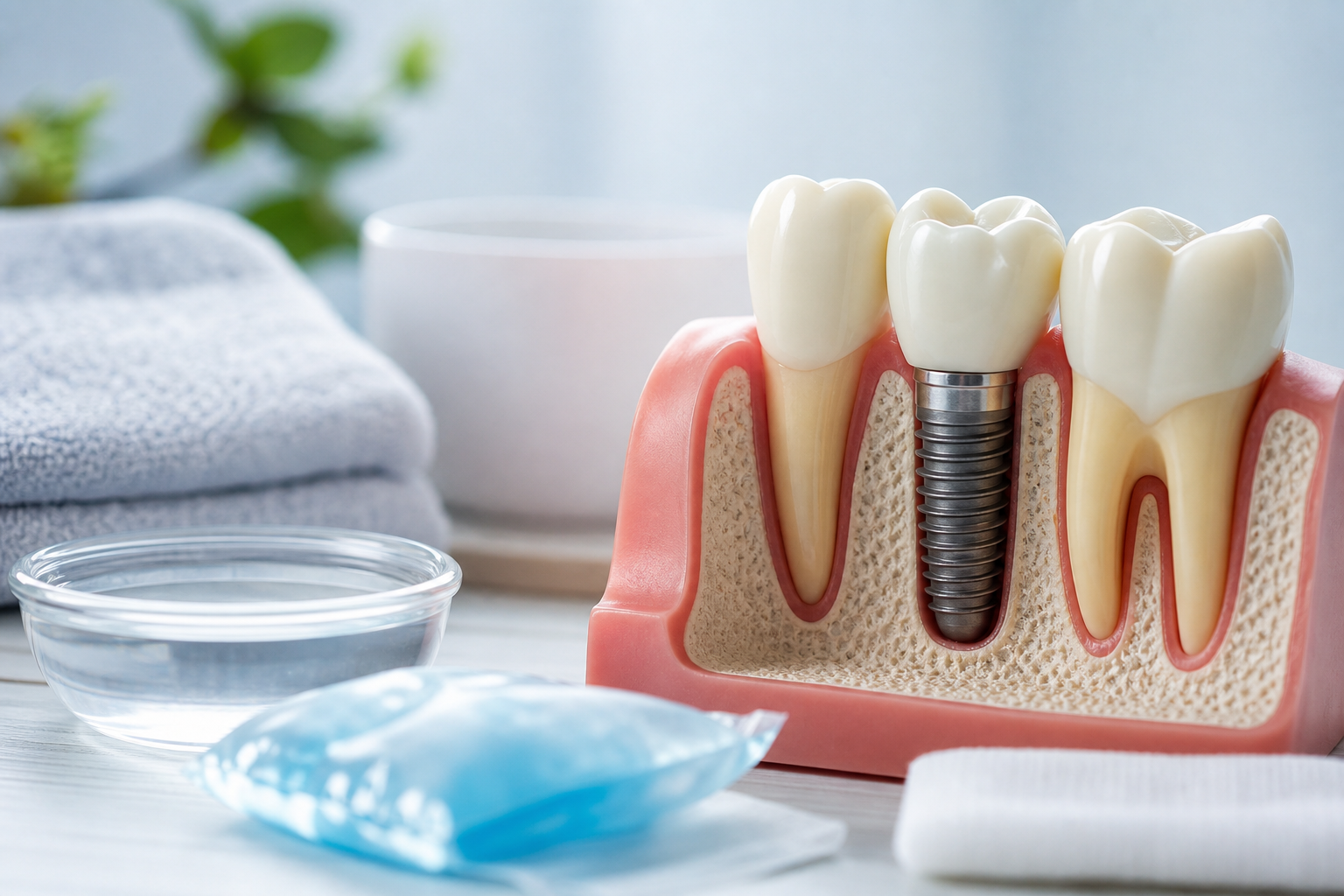
Are dental implants painful? For a straightforward implant placement, I would expect the procedure itself to be comfortable because I numb the area thoroughly with local anaesthetic. You may still notice pressure, vibration and movement, but you should not have to tolerate sharp pain. Once the anaesthetic wears off, it is normal to have tenderness, swelling and sometimes bruising for a few days.
How much dental implants hurt afterwards depends on the extent of the surgery. A single implant placed into a healed area is often a different recovery from an implant placed at the same time as an extraction, bone graft or sinus lift. Before I can give you a realistic personal answer, I would need to assess your gums, bone, medical history and the treatment stages involved.
Are dental implants painful during the procedure?
During implant placement, I would expect local anaesthetic to prevent sharp pain. The injection itself can briefly feel like a small scratch or pinch, then the area becomes numb. I would always check that you are comfortable before starting and throughout the procedure.
One thing I usually explain to patients is that numb does not mean unaware. You may feel pressure against the jaw, vibration from the instruments, pulling around the gum and occasional noises from the treatment. These sensations can feel unfamiliar, particularly if you are already anxious, but they are not the same as pain.
If you feel anything sharp, burning or painful during treatment, you should tell me immediately. I can pause, assess what you are feeling and provide more local anaesthetic where appropriate. You should not feel that you have to simply get through discomfort.
What does dental implant surgery feel like?
When I assess someone for implant treatment, I explain the process in practical terms rather than making it sound more dramatic than it needs to be. Once the area is numb, I make a small opening in the gum where required, prepare a precise space in the jawbone and place the implant. Stitches may be used afterwards.
The implant is a small titanium fixture that acts as a replacement tooth root. It needs time to integrate with the surrounding bone before I attach the final crown, bridge or denture. Although the gum may look largely healed within around one to two weeks, deeper bone healing takes longer and needs to be checked before the next stage.
I would also discuss how we can make the appointment feel more manageable. This may include taking breaks, agreeing a signal if you need to pause, explaining each stage as we go, or discussing sedation where this is suitable. Good communication matters, especially if dental treatment has made you nervous in the past.
What pain and swelling should I expect after dental implant surgery?
After the anaesthetic wears off, I would expect some soreness around the surgical area. In a straightforward case, this is commonly manageable with the aftercare and pain-relief plan provided. The gum can feel tender when you eat, clean nearby teeth or accidentally touch the area.
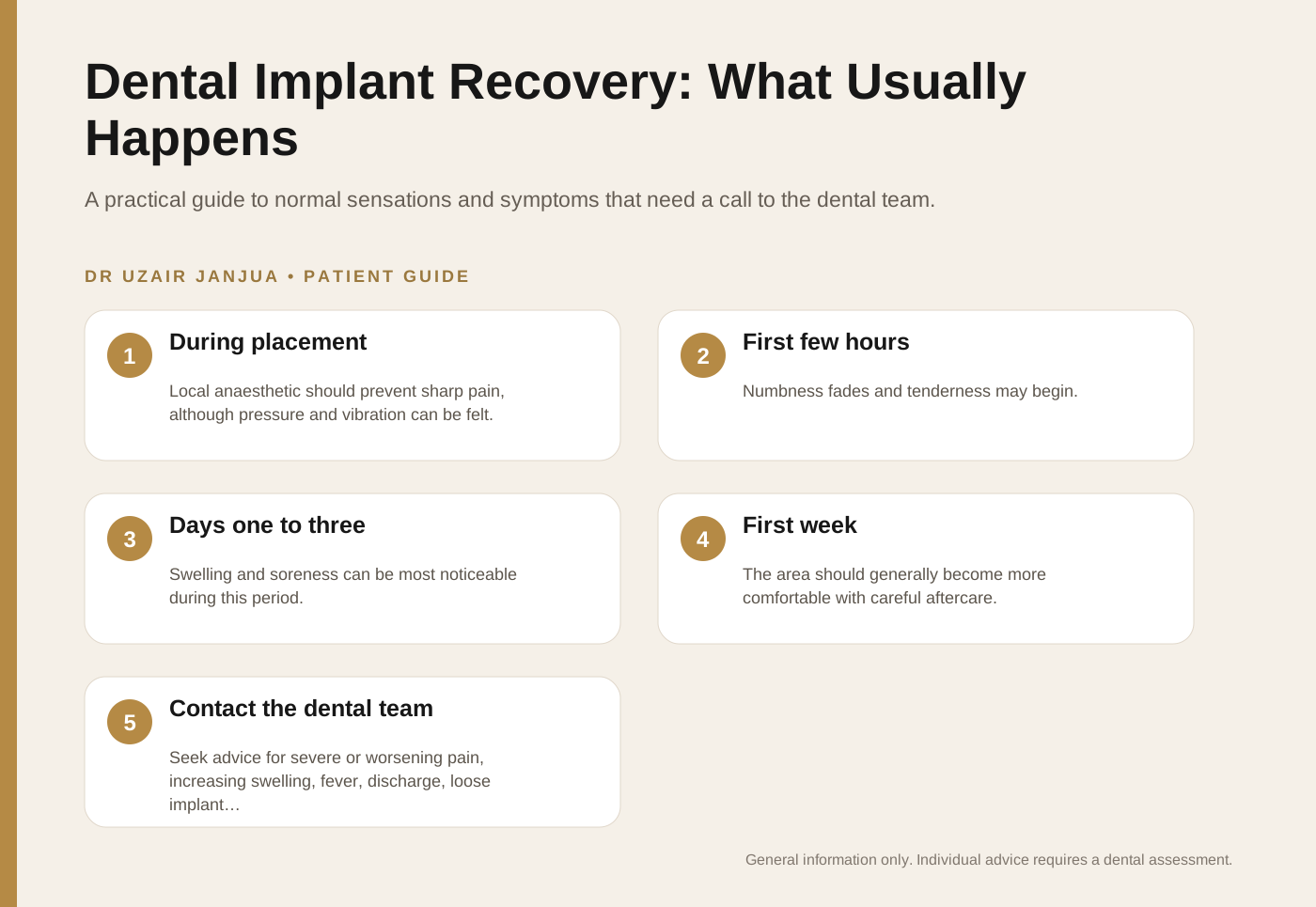
Swelling is often more noticeable 24 to 48 hours after surgery, rather than immediately afterwards. Mild bruising can also occur, particularly after more involved treatment. The swelling should gradually settle rather than continue to increase.
| Recovery period | What I would usually expect |
|---|---|
| First few hours | Numbness gradually fades. Tenderness may start once the local anaesthetic wears off. |
| Days one to three | Soreness, swelling and occasional bruising may be at their most noticeable. |
| First week | The area should generally become more comfortable. You may still need to take care when eating and cleaning around it. |
| One to two weeks | The gum commonly settles, and stitches may be checked or removed if non-dissolving stitches have been used. |
| Following weeks or months | The implant continues to heal beneath the gum. I would confirm when it is ready for the final restoration. |
A simple implant surgery may mean taking the rest of the day quietly and, depending on your healing and work, returning to normal routines relatively soon afterwards. If you have had several implants, grafting, a sinus lift, sedation or a physically demanding job, I would usually suggest allowing more recovery time. Patients travelling to Birmingham from Coventry, Solihull, Wolverhampton, Walsall or further across the West Midlands should also plan for review appointments, rather than assuming treatment is a one-visit process.
What changes how painful dental implant treatment feels?
The number of implants is only one part of the picture. What I would look at first is whether the implant can be placed into healthy, healed bone or whether additional treatment is needed to create a stable foundation.
A single implant in a healed space
A straightforward single implant is often the least demanding surgical situation. There may still be short-term soreness and swelling, but the recovery is usually more limited than a larger surgical procedure.
Extraction and implant placement at the same time
Removing a tooth and placing an implant during the same appointment can be appropriate in selected circumstances. However, it may involve more swelling or tenderness than placing an implant after the extraction site has already healed. Infection, gum condition and the amount of remaining bone all affect whether this approach is sensible.
Multiple implants or full-arch treatment
Placing several implants is naturally a larger procedure, even if treatment is well planned. I would discuss the likely recovery, temporary tooth options, food restrictions and the support you may need at home before recommending it.
Bone grafting or a sinus lift
If there is not enough suitable bone, grafting may make implant treatment possible. In the upper back jaw, a sinus lift may sometimes be needed to create enough bone height. These procedures can add surgical time, cost, swelling and healing time, but they are not automatically painful. The extent of the graft and your individual healing response matter.
Smoking, active gum disease, poorly controlled diabetes, certain medicines and some general health conditions can also affect healing. I would never advise stopping prescribed medicines, including blood-thinning medication, without advice from the clinician managing them.
If you are considering dental implants in Birmingham, a consultation and appropriate imaging are the sensible way to understand whether your case is likely to be straightforward or more involved. I can then explain the likely surgical stages, recovery plan, temporary tooth options and what support is available if you are worried after treatment.
How would I manage discomfort after an implant?
I would give you individual written aftercare instructions, because the right plan depends on the surgery you have had and your medical history. Pain relief may include paracetamol and/or ibuprofen where medically appropriate. Ibuprofen is not suitable for everyone, so if you have stomach problems, asthma affected by anti-inflammatory medicines, kidney problems, are pregnant, take blood-thinning medicines or are unsure about interactions, check with me, your pharmacist or GP before taking it.
For the first day or two, I would commonly advise rest, avoiding strenuous exercise and keeping your head slightly elevated when relaxing. A cold compress against the outside of the face can help with swelling when used carefully, with a cloth between the compress and skin.
- Choose softer foods and chew away from the surgical site if advised.
- Keep the area clean exactly as instructed, without vigorous brushing over a fresh wound.
- Avoid smoking, as it can interfere with healing and increase complications.
- Avoid alcohol if it conflicts with your medication or post-operative instructions.
- Attend review appointments, even if the site feels comfortable.
I would not judge the quality of treatment by whether you need pain relief for a short period. The important point is whether discomfort is settling in the expected direction and whether you have a clear route back to the practice if it is not.
When is pain after a dental implant not normal?
Some tenderness after surgery is expected, but severe pain, pain that is getting worse rather than better, or symptoms that persist longer than expected need a prompt assessment. Online reassurance is not a substitute for examining the area.
I would ask you to contact your treating dental team promptly if you have increasing facial swelling, fever, pus or discharge, a persistent bad taste or smell, bleeding that does not settle with the advice you were given, or an implant that feels loose. Persistent numbness, tingling, burning or altered sensation also needs review, particularly for lower-jaw implant treatment where important nerves may be nearby.
These symptoms do not confirm a particular problem on their own, but they should not be ignored. You can read more about implant symptoms that need assessment, although I would always recommend contacting the team that carried out your surgery rather than trying to self-diagnose.
Is sedation worth considering if I am anxious?
Sedation can help an anxious person feel calmer and less aware of the passing of time, particularly for lengthy or more complex treatment. It does not replace local anaesthetic. I would still need to numb the surgical area properly so that you are comfortable.
Whether sedation is appropriate depends on your anxiety level, medical history, the treatment planned and the type of sedation available. It also requires practical planning. You will normally need an escort, should not drive afterwards and may need to avoid work, signing important documents or making major decisions for a period specified by the sedation provider.
If anxiety is your main concern, tell me before the appointment rather than trying to manage it on the day. I can discuss options such as a slower pace, clear explanations, breaks and whether a sedation assessment would be appropriate.
Does pain mean an implant is the wrong choice?
No. I would not choose between an implant, bridge or denture based on fear of a few days of post-operative soreness alone. The better question is whether the longer treatment journey, surgery, maintenance and cost make sense for your mouth and your priorities.
An implant can replace a missing tooth without preparing the neighbouring teeth in the way a conventional bridge commonly does. However, it is surgical treatment and needs ongoing cleaning and review. A bridge can provide a fixed replacement without implant surgery, while a removable denture may avoid surgery and may cost less initially, but can feel less secure and require adjustment over time.
I would compare the available bone, gum health, bite forces, appearance, budget and your willingness to attend maintenance before recommending any option. If cost is part of your decision, it is important to look beyond an advertised implant placement fee, because scans, grafting, temporary teeth, reviews and the final crown or bridge can all change the total. My guide to what changes the final dental implant cost explains those factors in more detail.
A realistic way to think about dental implant pain
I usually explain that a straightforward implant should be manageable for most people with effective local anaesthetic during treatment and a sensible aftercare plan afterwards. A few uncomfortable days can be part of normal healing, but severe or steadily worsening pain is not something I would expect you to simply put up with.
The key decision is not pain alone. An examination and appropriate imaging allow me to establish whether treatment is likely to be straightforward or whether extraction, grafting, sinus treatment, several implants or other stages may be involved. That is what determines the more realistic recovery plan, time away from work, likely appointments and support needed after surgery.
If you are worried about pain, the most useful next step is an examination rather than relying on the experiences of strangers online. I can assess the area, discuss alternatives where appropriate and make sure you understand both the short-term recovery and the longer-term commitment before deciding.