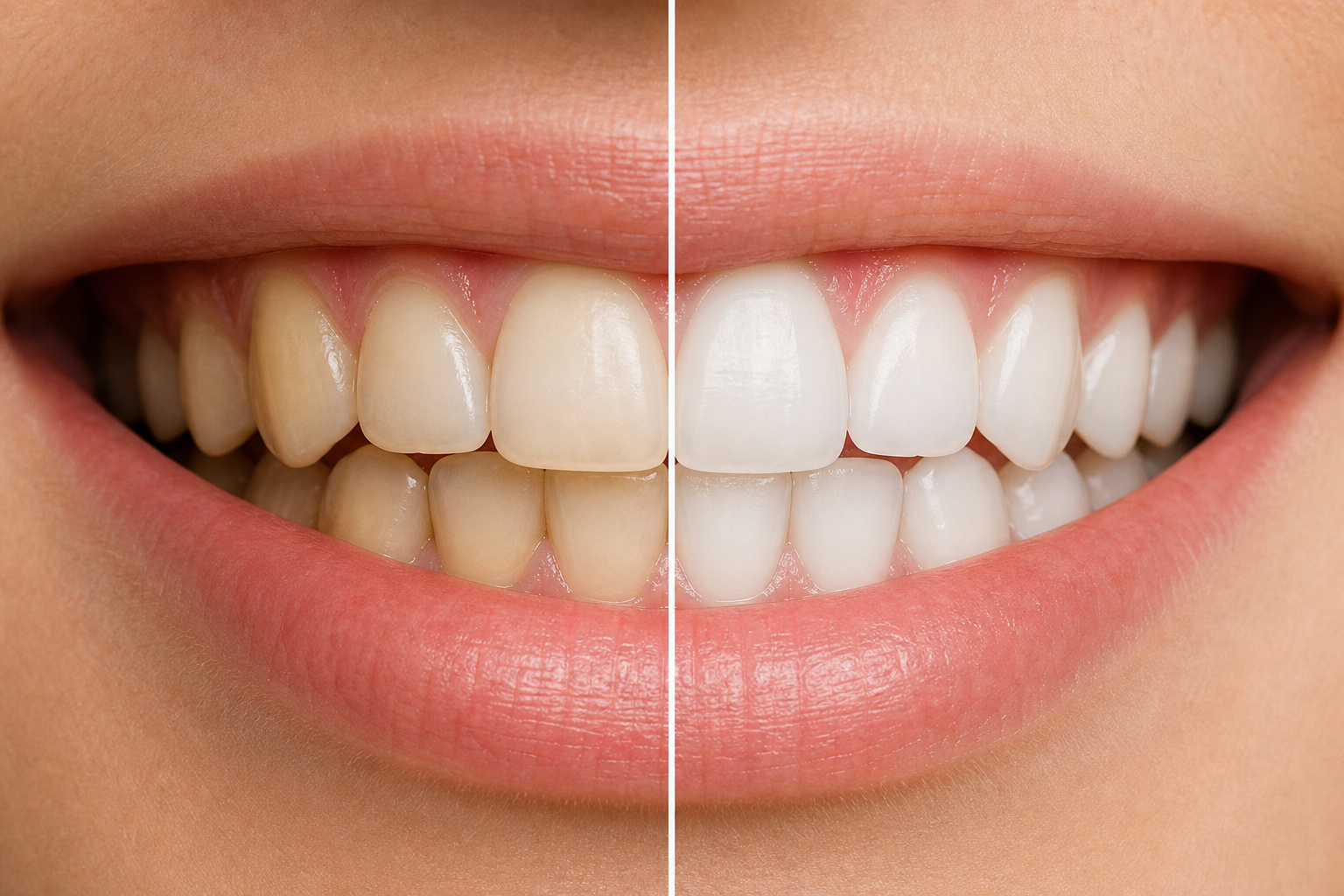
Professional teeth whitening is not permanent, but I would usually expect the result to fade gradually rather than disappear suddenly. For many people, teeth remain visibly lighter for around one to three years, although the timeframe varies considerably. Your starting tooth colour, whitening method, smoking, staining drinks, oral hygiene and approach to maintenance all matter.
I usually explain that the aim is not to keep teeth at exactly the same shade forever. It is to achieve a natural-looking improvement, then look after it sensibly as the colour settles and new surface staining develops over time.
If you are considering whitening before a wedding, holiday, interview or other event, I would advise allowing time for an examination, treatment and any short-term sensitivity. Leaving it until the week before can make the process more stressful than it needs to be.
How long does teeth whitening last?
Professional teeth whitening may remain visibly lighter for around one to three years, but there is no fixed lifespan that applies to everyone. Some people notice a gradual softening of the initial bright shade within the first few months, followed by a slower change over time.
What I would want you to understand is that whitening does not have an expiry date. Teeth naturally continue to change colour as we age, and fresh surface staining can build up from food, drinks and tobacco. A degree of shade relapse is normal and does not mean the treatment has failed.
The shade immediately after whitening is often the lightest point. Even if the colour settles slightly afterwards, teeth may still remain clearly lighter than they were before treatment.
Why do teeth whitening results fade?
I usually explain that whitening changes the colour of natural tooth structure, but it cannot prevent new staining or stop the natural ageing process. Tea, coffee, red wine, cola, tobacco and strongly coloured foods can gradually add surface stain, particularly when they are consumed frequently.
Plaque can also make teeth look duller or more yellow. It is a sticky film that develops around the teeth and gumline, and it can hold onto stain. Regular brushing, cleaning between the teeth and hygiene care where appropriate can help keep the surface of the teeth looking cleaner.
The cause of the original discolouration matters too. Surface staining from tea or smoking may behave differently from deeper colour changes linked to age, previous trauma, certain medicines, fluorosis or a tooth that has had root canal treatment. When I assess someone for whitening, I would look at the cause before estimating how noticeable and durable the result may be.
What makes teeth whitening fade faster?
The main contributors are usually frequent exposure to staining substances, smoking or tobacco use, and inconsistent plaque control. You do not need to avoid every coloured food or drink permanently, but a sustainable routine is more useful than a restrictive diet that is difficult to maintain.
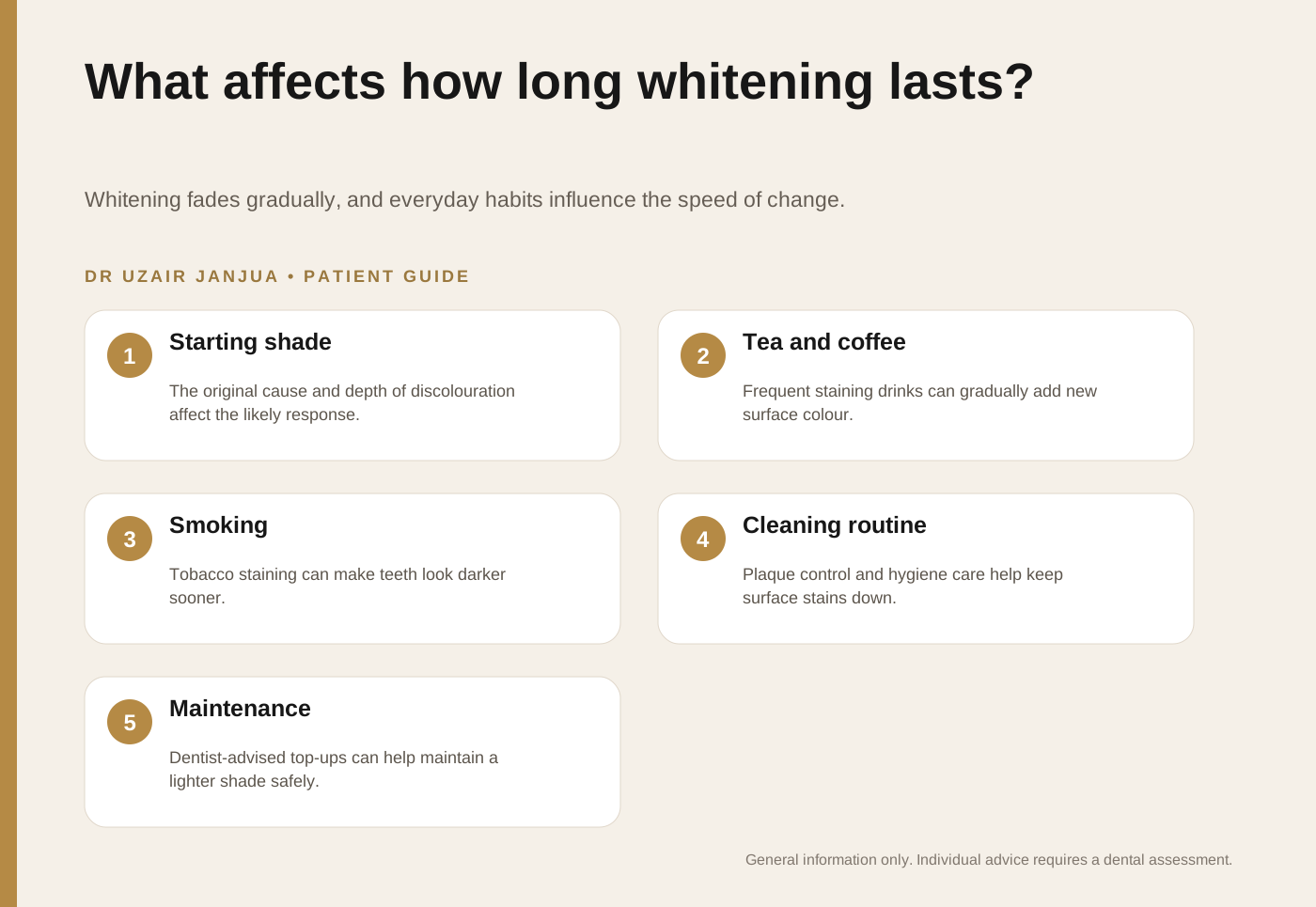
- Smoking or tobacco use: tobacco staining can build up quickly and make teeth appear darker sooner.
- Frequent tea and coffee: these drinks do not instantly undo whitening, but regular exposure can gradually deepen surface staining.
- Red wine, cola and strongly coloured foods: frequent consumption can contribute to extrinsic staining, meaning stain on the outer tooth surface.
- Inadequate cleaning: plaque and hardened deposits can make teeth look less bright, even when the underlying whitening result remains.
- Using unadvised top-up products: repeated whitening without guidance can increase sensitivity or irritate the gums without necessarily improving the long-term result.
- Untreated dental problems: decay, gum inflammation, exposed dentine, cracks and leaking fillings can affect comfort and may mean whitening should wait.
After tea, coffee or red wine, drinking water can be a practical habit to help clear drink residue from the mouth. I would not suggest this prevents staining altogether, but reducing frequent exposure and avoiding tobacco will usually help the result last longer.
Does the type of whitening affect how long it lasts?
The whitening method can affect control, comfort and how easily the result can be maintained, but a quicker treatment does not automatically mean a longer-lasting one. I would focus on whether the system suits your teeth, is professionally supervised and includes a sensible plan for future maintenance.
| Approach | What I would want you to understand |
|---|---|
| Dentist-supervised home whitening trays | Custom trays can provide gradual, controlled whitening and may be useful for dentist-advised future top-ups. They are not a licence to keep whitening whenever teeth look slightly darker. |
| In-practice whitening | This may suit someone seeking a more immediate visible change. It does not necessarily last longer than home whitening, and some people still benefit from a maintenance plan. |
| Combined treatment | Some plans combine an in-practice appointment with home trays. The right approach depends on your starting shade, timetable, sensitivity and goals. |
| Online or shop-bought kits | These may be less predictable, particularly if tray fit, ingredients, concentration or suitability are unclear. They should not be assumed to be equivalent to professionally supervised treatment. |
In the UK, cosmetic whitening products containing or releasing more than 0.1% and up to 6% hydrogen peroxide must be supplied through a registered dental professional following an examination. Products above 6% hydrogen peroxide are not permitted for cosmetic tooth whitening. If you are comparing options, I would look beyond the headline price and check what assessment, trays, gel, reviews and aftercare are included.
You can read more about professional teeth whitening in Birmingham if you would like to understand the treatment options before deciding.
What I would assess before recommending whitening
Before I recommend teeth whitening, I would examine your teeth and gums rather than simply choosing a whitening gel. I would look at the type of discolouration, the condition of existing fillings and crowns, any gum disease or decay, signs of enamel wear, exposed dentine, cracks and your history of tooth sensitivity.
I would also ask what you want to change. Whitening can be a good option where the main concern is the overall shade of healthy natural teeth. It is less likely to meet expectations where the concern is a single dark tooth, worn or chipped edges, gaps, tooth position or a mixture of natural teeth and visible restorations.
Pregnancy or breastfeeding, age, active dental problems and significant sensitivity can all affect whether treatment should be postponed or adapted. An examination is essential because I cannot confirm suitability, likely shade change or how long your result may last without seeing your teeth.
If you are travelling from Solihull, Sutton Coldfield, Coventry, Wolverhampton, Dudley or elsewhere in the West Midlands, I would also make sure the plan is practical for your schedule. It is worth knowing how reviews, maintenance and support would work if sensitivity develops after you return home.
If you are unsure whether whitening is worthwhile in your case, a consultation can establish whether your teeth and gums are suitable, whether existing restorations could affect the appearance, and what maintenance might realistically involve.
What whitening cannot change
Whitening only lightens natural tooth structure. Crowns, veneers, implants, dentures, composite bonding and most tooth-coloured fillings do not whiten in the same way. This is one of the most important points to understand before treatment.
If you have a visible crown or composite filling, whitening may make the difference in shade more noticeable. I would record these restorations before treatment and discuss whether any future replacement or cosmetic work might be needed after your natural teeth have reached a stable shade.
The order of treatment matters if you are considering bonding or veneers. In many situations, it makes sense to whiten natural teeth first, allow the shade to settle, then match any new restorative work to the lighter colour. For more detail, see my guide on whether composite bonding can be whitened.
How to make teeth whitening last longer
I would keep aftercare straightforward. The best routine is one you can follow comfortably over the long term, rather than trying to preserve the exact post-whitening shade through extreme food restrictions.
- Brush twice daily with fluoride toothpaste and use a soft toothbrush.
- Clean between your teeth daily with interdental brushes or floss, depending on what is suitable for your mouth.
- Manage rather than completely ban staining drinks. Drinking water afterwards may help clear residue.
- Avoid smoking or tobacco use, both for stain control and wider oral health reasons.
- Attend hygiene or dental reviews where advised, especially if surface staining builds up.
- Keep custom trays safely if they have been provided, but only use maintenance gel and top-ups when I have advised that it is appropriate.
- Avoid abrasive whitening toothpastes if you have sensitivity, gum recession or enamel wear unless I have recommended one for you.
One thing I usually explain is that stronger is not automatically better. A higher-strength gel or longer wear time may increase sensitivity and is not necessarily the safest route to a longer-lasting result.
When whitening may not be the best option
I would not recommend whitening as the first step if there is untreated decay, active gum disease, a cracked tooth, a leaking filling or significant sensitivity. Treating the underlying issue comes first, both for comfort and to protect your oral health.
A single dark tooth needs separate assessment. It can sometimes be linked to previous trauma, nerve changes or root canal treatment, and routine whitening of all teeth may not solve the underlying issue. Similarly, deeper intrinsic staining may respond less predictably than ordinary surface staining.
Whitening also will not change the shape, alignment, gaps or worn edges of teeth. If those are your main concerns, I may discuss alternatives such as composite bonding, veneers or clear aligners, depending on what an examination shows. In some cases, no cosmetic treatment is the right decision if the likely improvement does not justify the cost, maintenance or sensitivity risk.
A realistic maintenance plan for whitening
I would view whitening as an initial treatment with the option of occasional review, rather than a permanent colour change. The timing of any top-up should be based on your current shade, previous response, sensitivity levels, gum health and the condition of your teeth and restorations.
For some people, a dentist-supervised home system is useful because properly fitting trays can be retained for appropriate future maintenance. However, I would advise the timing and amount of gel rather than asking you to guess. Repeated or unnecessary bleaching can make teeth uncomfortable and may irritate the gums.
If you are comparing whitening costs in Birmingham or the wider West Midlands, I would ask what is included before making a decision. A lower figure may not include a full examination, custom trays, sufficient whitening gel, follow-up support or advice on future maintenance. Those details can affect both safety and value over time.
If you would like an individual estimate of how long teeth whitening may last for you, I can assess your teeth, identify factors that may shorten the result and explain whether whitening, hygiene treatment or another approach is likely to suit your goals.
Teeth can remain lighter for years after professional whitening, but gradual fading is normal. With healthy teeth and gums, sensible staining habits and dentist-advised maintenance where appropriate, I can help you make a decision based on your own teeth rather than a promised lifespan.