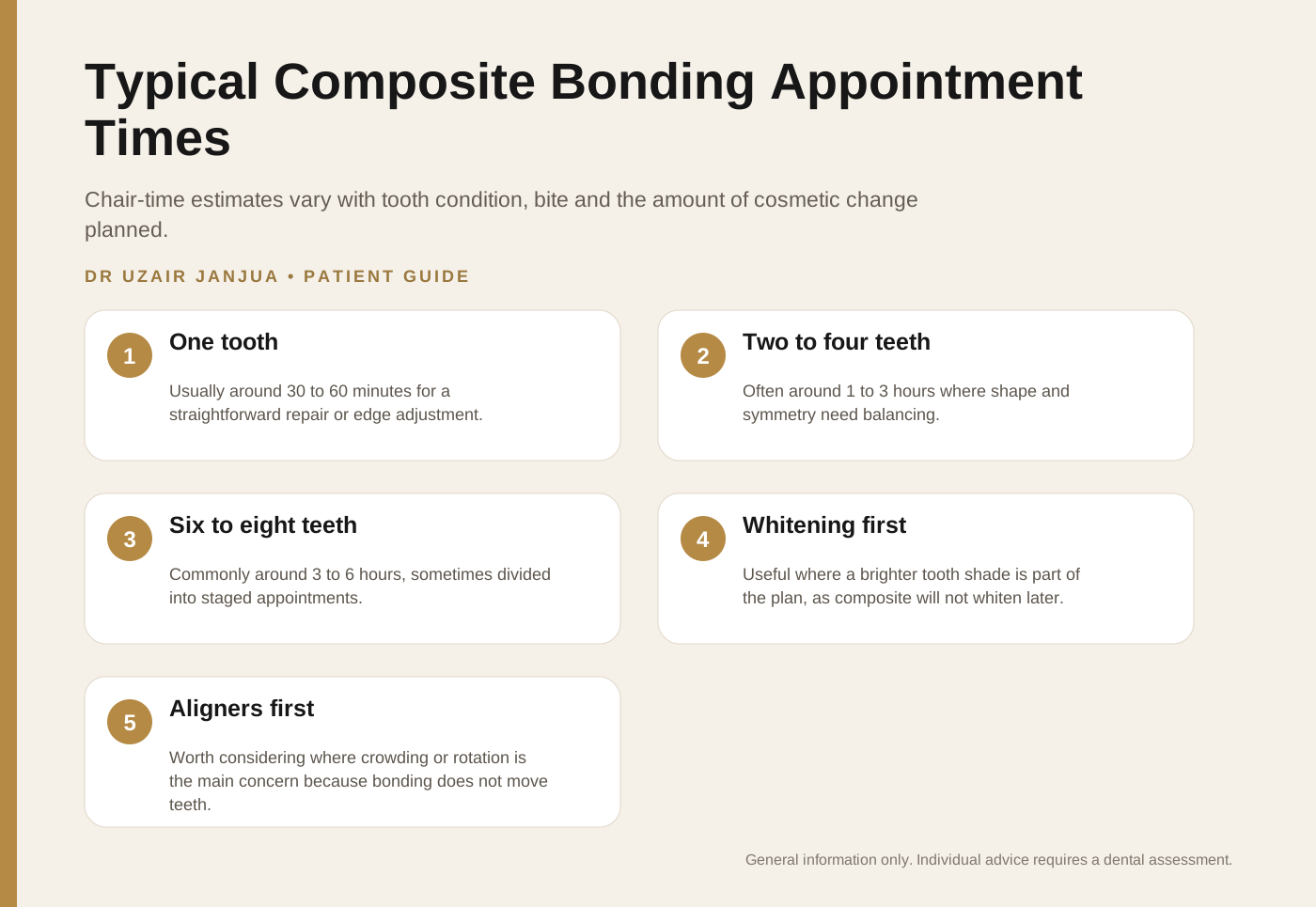
If you are asking how long composite bonding takes, I would usually allow around 30 to 60 minutes for one straightforward tooth. Bonding two to four visible front teeth often takes around one to three hours. A fuller smile treatment involving six to eight teeth may take roughly three to six hours, either in one longer appointment or across separate visits.
The number of teeth is only part of the answer. A small chip repair is very different from balancing the shape, shade and bite of several front teeth. Before confirming a timescale, I would assess the health of the teeth and gums, your bite, the amount of change you want and whether whitening or tooth straightening should come first.
How long does composite bonding take?
These are useful typical chair-time estimates, not promises. I can give a more reliable estimate after examining your teeth and discussing the result you are hoping for.
| Type of bonding | Typical treatment time | What can affect it |
|---|---|---|
| One small chip or edge repair | About 30 to 60 minutes | Shade matching, the size of the repair and bite adjustment |
| Two to four front teeth | About 1 to 3 hours | Symmetry, gaps, reshaping and the level of detail required |
| Six to eight visible teeth | About 3 to 6 hours | Smile planning, layering, comfort breaks and whether treatment is staged |
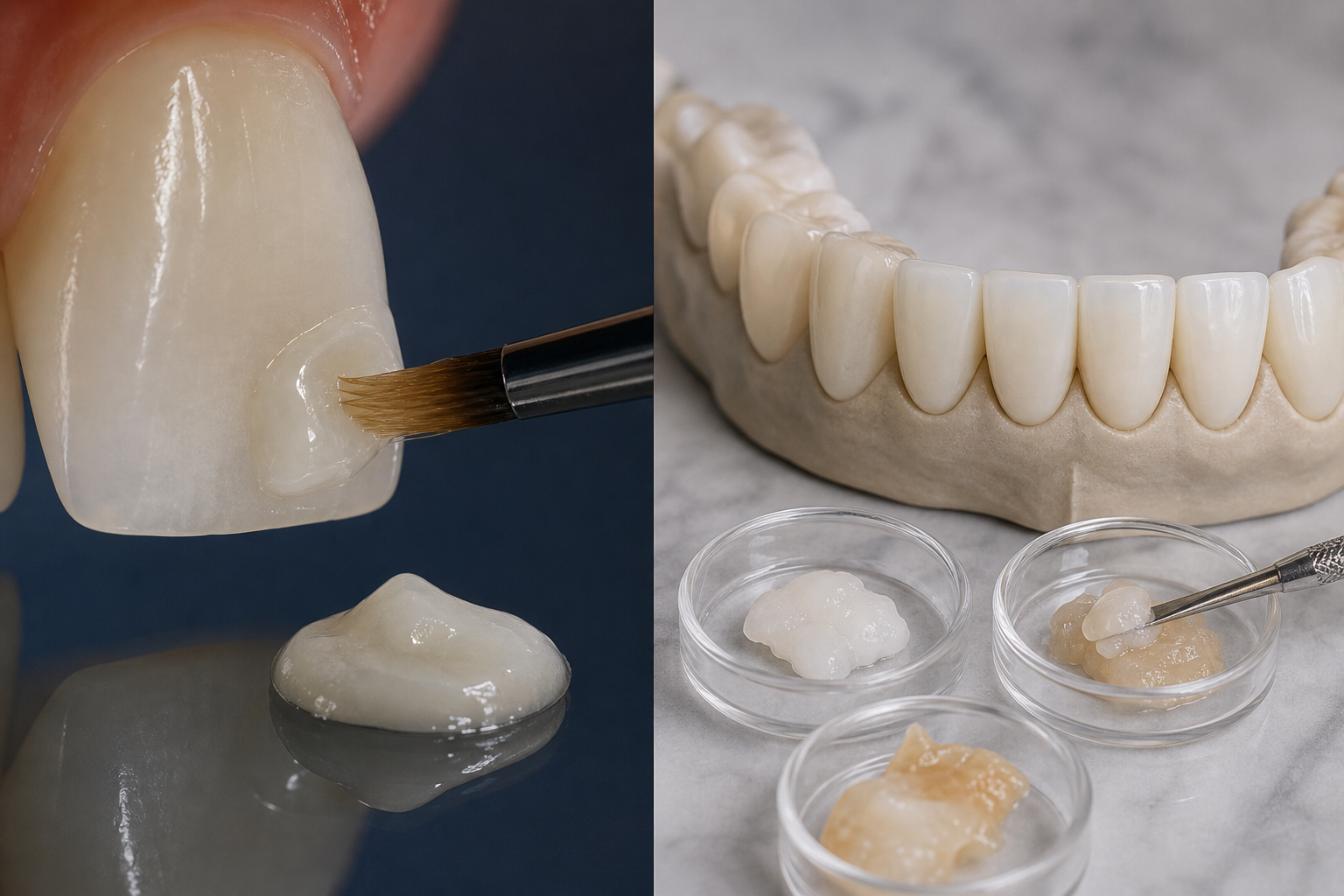
Composite bonding is usually carried out directly on the tooth rather than made in a laboratory. I place the composite resin in small layers, set each layer using a curing light, then shape and polish it. That is why it can often be completed more quickly than treatments involving laboratory-made restorations.
One tooth versus a full smile
One tooth can be quicker, but it is not always simple. If I am repairing a chipped front tooth, I need to match the neighbouring tooth closely in colour, edge position, surface texture and shape. A small repair can be very detailed when it sits in the middle of your smile.
For two to four teeth, I am considering how the teeth work together rather than treating each tooth in isolation. Their proportions, contact points and edges need to look balanced when you speak and smile. This means the timing does not simply multiply by the number of teeth.
A full-smile composite bonding case, often involving the upper teeth most visible in your smile, needs more planning still. I may be building worn edges, adjusting uneven shapes, closing minor spaces or creating a more consistent appearance across several teeth. The extra time is often spent on natural detail and careful bite checks, not simply placing more material.
For an overview of what the treatment can and cannot achieve, you can read more about composite bonding in Birmingham.
What happens during the appointment?
Once I have confirmed the plan, I begin by checking the tooth shade and isolating the area. Keeping the tooth dry is important because composite bonds best in a controlled environment. I may make only minimal changes to the tooth surface, although some cases need light smoothing or reshaping.
I then apply the composite in layers and cure it with a dental light. The material is hardened before you leave the chair. I sculpt the shape carefully, check how your teeth meet together and polish the surface so it feels comfortable and looks as natural as possible.
For a small repair, this process can be relatively straightforward. Across several front teeth, it takes longer because I need to move between teeth, compare them repeatedly and ensure that the finished result works with your bite. I would rather allow appropriate time for finishing than rush the final stages.
What can make composite bonding take longer?
What I would look at first is not just how many teeth you want bonded, but why. A small edge chip, a gap closure, a worn tooth and a broader composite veneer-style change each require a different amount of planning and material.
- Tooth position: rotated, crowded or protruding teeth can make it harder to create a balanced result without adding too much composite.
- Existing fillings or damage: old fillings, cracks, decay or weakened tooth structure may need treatment before cosmetic work is sensible.
- Your bite: if the bonded edge takes heavy pressure when you bite or grind, I may need to adjust the design carefully or discuss a protective night guard.
- Gum health: bleeding or inflamed gums can affect the appearance of the smile and make moisture control more difficult.
- Shade and staining: matching one visible tooth can be more demanding than patients expect, especially where natural teeth have different tones.
- Comfort and breaks: a six- or eight-tooth appointment may be divided into stages if that is more comfortable or clinically appropriate.
A longer appointment is not automatically a negative. Time spent on isolation, shade selection, contour, polishing and bite adjustment can make the process more predictable.
Do I need more than one appointment?
You may be able to have composite bonding completed in one treatment visit, but the treatment appointment is not always the whole journey. I would normally recommend a consultation first so I can examine your teeth, discuss your goals and explain the alternatives, likely maintenance and any limitations.
For a simple chip, consultation and treatment may sometimes be arranged close together. For a broader smile change, photographs, shade planning, a trial approach or a separate planning appointment can be helpful. Longer cosmetic appointments may also need to be booked separately from the consultation because sufficient clinical time has to be reserved.
A review or polish can also be sensible after more extensive treatment. This is not a sign that anything has gone wrong. It can give us an opportunity to check comfort, bite contacts and the way the bonding settles into your smile.
If you would like an estimate for one tooth or a fuller smile, I can assess the teeth, explain whether treatment is appropriate and outline a realistic appointment plan rather than simply offering a fixed same-day package.
Should whitening or clear aligners come first?
If your main concern is colour, I would usually discuss whitening before composite bonding. Natural enamel can respond to whitening, but composite does not whiten in the same way. Completing whitening first gives me a better opportunity to match the bonding to your preferred settled tooth shade.
The exact interval between whitening and bonding varies. I would advise you once I can see how your teeth respond and when the shade has stabilised, rather than applying the same waiting period to everyone. You can find further guidance on planning professional teeth whitening before cosmetic bonding.
If crowding, rotations or wider spacing are the main issue, bonding may disguise minor irregularities but it does not move teeth. In those situations, I may discuss clear aligner treatment first, followed by limited bonding only where it adds genuine value. Alignment takes longer, but it addresses tooth position rather than building material around an unsuitable position.
What I would assess before recommending bonding
I would not recommend cosmetic bonding from a photograph alone. During an examination, I assess for decay, leaking fillings, cracks, sensitivity, tooth wear, gum inflammation and the amount of sound tooth surface available for bonding.
I also look at your bite and the reason you want treatment. Someone with a small chip may only need a modest repair. Someone hoping to make crowded teeth appear straight may be better served by alignment first. If a tooth is heavily filled, weakened or structurally compromised, a different restorative treatment may be more appropriate.
One thing I usually explain is that composite can be a conservative and repairable option, but it is not maintenance-free. It can stain, wear, chip or lose some polish over time. A realistic plan includes how you will look after it and what future repair or refurbishment may involve.
Is a faster appointment always better?
No. A same-day result can be convenient, particularly if you are planning around work or an event, but it should not mean skipping important preparation. I would want enough time to check that your teeth are healthy, establish the right shade, assess the bite and discuss whether the amount of composite proposed is proportionate.
For some people, one carefully planned long visit is practical. For others, staged treatment is more comfortable and gives time to review the direction of the smile before completing further teeth. This is where people sometimes get confused: faster than porcelain veneers does not mean every full-smile bonding case should be rushed.
Composite bonding may be a good fit for minor chips, worn edges, small gaps and modest shape changes. If the desired change is extensive, porcelain veneers may offer different advantages in colour stability and stain resistance, although they involve a different treatment commitment. No treatment at all may also be a reasonable choice where the concern is minor and the tooth is healthy.
Planning composite bonding in Birmingham and the West Midlands
If you are travelling into Birmingham from Solihull, Wolverhampton, Dudley, Coventry, Sutton Coldfield or elsewhere in the West Midlands, I would plan around the actual chair time rather than assuming a quick appointment. A full-smile session can take much of a day once arrival, comfort breaks and final checks are included.
It is sensible to ask about parking, public transport, how long you should allow away from work and how any review appointments would be arranged. If you have a wedding, holiday or other important event coming up, start with a consultation early enough to allow for whitening, aligner treatment, shade settling, planning and any refinements.
In practical terms, one-tooth composite bonding is often completed within an hour. Multiple front teeth can need several hours, and a full smile may be better completed in stages. The right timeline depends on your teeth, your bite and the level of change you want. A consultation allows me to give you an individual recommendation, a realistic estimate and honest alternatives before you commit to treatment.